
How to Select a Mattress for Better Sleep Support
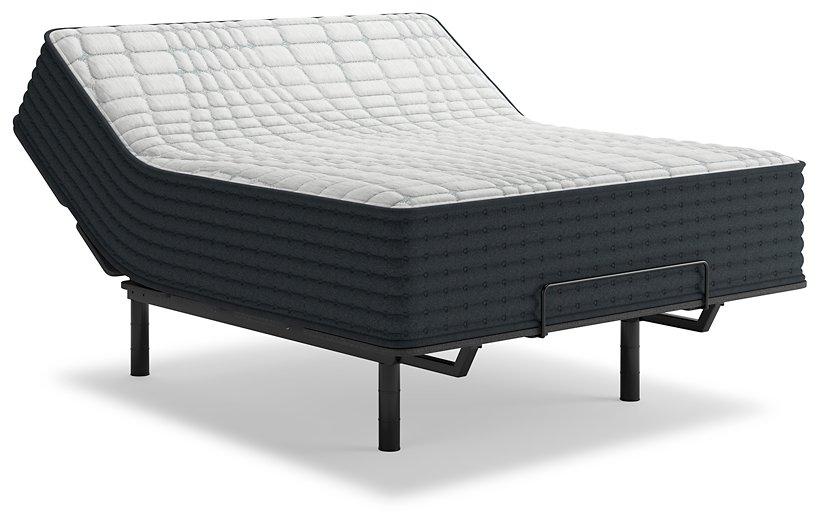
Finding the right mattress for better sleep support can feel overwhelming when you’re faced with countless options, technical jargon, and marketing claims. The truth is, selecting a mattress that actually improves your sleep comes down to a few key factors: your preferred sleeping position, your body weight, and the type of support your spine needs throughout the night. This guide breaks down exactly what to look for so you can skip the confusion and wake up feeling genuinely rested.
Key Takeaways
The best mattress for support depends on your sleep position, body weight, and personal comfort preferences, not marketing claims or price tags alone. Choosing a mattress is largely influenced by individual factors such as sleep position, body weight, and temperature preferences. Opting for high-quality support is more important than simply choosing the lowest price, as a good mattress benefits long-term health.
Most sleepers tend to prefer a medium-firm mattress, which is generally rated around 6 out of 10 on the firmness scale, as it provides a balance of support and comfort for various sleeping positions. However, side sleepers, back sleepers, and stomach sleepers each benefit from slightly different firmness ranges. The firmness level of a mattress is typically measured on a scale from 1 (extremely soft) to 10 (extremely firm), and this can vary significantly between different mattress brands and models.
Choosing the right mattress size, from twin XL to California king, and pairing it with a quality mattress protector, sturdy base, and supportive pillow is essential for a consistently good night’s sleep. Most mattresses fall into one of three major categories: foam, hybrid, and coil. Each type offers distinct pros and cons for temperature, durability, and support.
Test mattresses in store when possible, take advantage of trial periods at home, and replace an old mattress when it sags more than 1.5 inches, squeaks, or causes morning pain. A good mattress should last between 7 to 10 years, and checking warranties and customer reviews can provide insights into long-term performance.
Why Mattress Support Matters for a Good Night’s Sleep
Quality sleep starts with proper spinal alignment. When your spine maintains its natural S-curve while lying down, without excessive arching or flattening, your muscles can fully relax, and pressure on joints and nerves decreases significantly. Spinal alignment requires the spine to remain in a neutral position while lying down, similar to your standing posture. This neutral alignment is what separates waking up refreshed from waking up with stiffness, aches, and fatigue.
A good mattress achieves this by letting heavier areas like your shoulders and hips sink just enough while keeping your lower back and neck properly supported. Think of it as zoned support: firmer under the lumbar region to prevent your midsection from sagging, softer under the shoulders and hips for pressure relief. When done right, this distributes your body weight evenly and minimizes those pressure points that cause tossing and turning.
The research backs this up. A 2006 study published in the journal Spine followed 160 patients with chronic lower back pain and found that those sleeping on medium-firm mattresses experienced 60% pain reduction compared to just 30% on firm mattresses. Similarly, a 2020 study in the Journal of Chiropractic Medicine found that proper mattress support correlated with up to 30% less tossing and turning and 25% deeper slow-wave sleep, the stage essential for physical restoration.
Here’s what many people don’t realize: an old mattress, typically 7–10+ years old, often loses its support even when it still looks fine. Foam breaks down, coils separate, and the surface that once cradled your spine now creates pressure points that disrupt REM sleep by 20–40%. According to a 2022 American Chiropractic Association survey, the average mattress is 9.5 years old, meaning many people are sleeping on surfaces that have lost 30–50% of their original support.
The good news? You don’t need the most expensive model. You need a new mattress that matches your sleep style, body weight, and support needs. Let’s break down exactly how to find it.
Match Your Mattress to Your Sleep Position
Your preferred sleeping position is one of the most reliable ways to narrow down firmness and construction. According to a NapLab survey, 85% of people sleep on their side, 42% sleep on their back, and 26% are stomach sleepers (with overlap for combination sleepers). Each position affects pressure points differently and requires specific contouring versus pushback from your mattress.
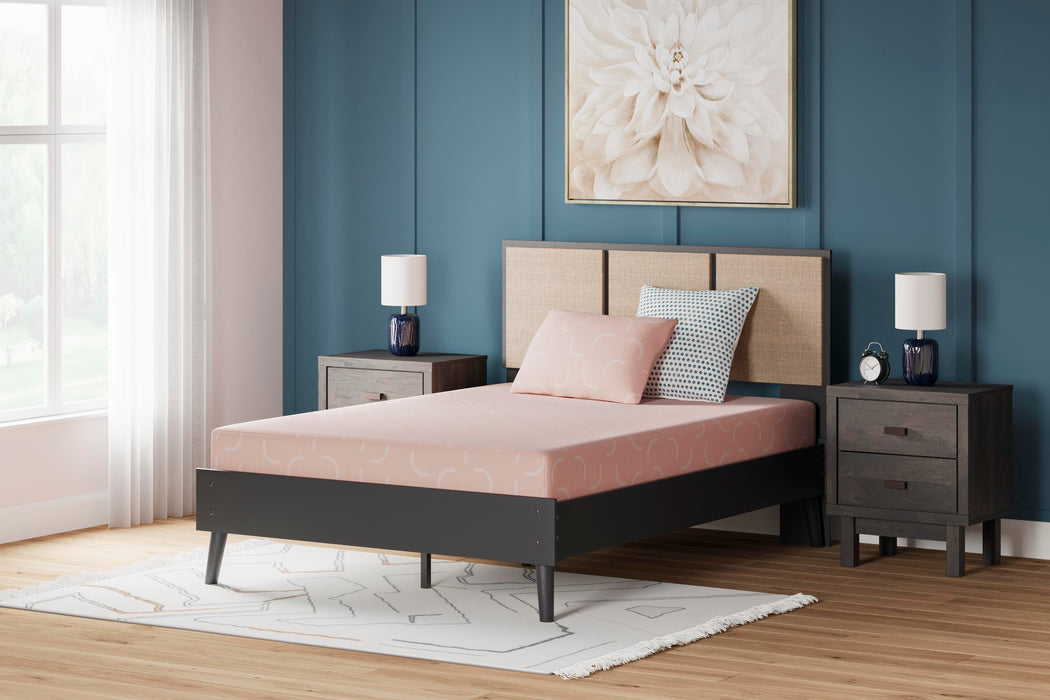
Side Sleepers: Cushion for Shoulders and Hips
Side sleepers, the vast majority of the population, typically benefit from medium to medium-firm mattresses that provide cushioning around the shoulders and hips while maintaining spinal alignment. For side sleepers, a medium-soft to medium-firm mattress is often recommended to provide adequate cushioning for the shoulders and hips while maintaining spinal alignment. On the 1–10 firmness scale, this usually falls between 3 and 6.
Memory foam mattresses, foam and hybrid mattresses, or latex mattresses that contour gently are often ideal for side sleepers who wake up with sore shoulders. A 2019 study in Sleep Health confirmed that side sleepers on plush hybrid models reported 35% less shoulder pain after 30 days. The key is allowing 2–3 inches of sinkage at the shoulders and hips for proper pressure relief at these contact points.
Too-firm beds can cause numb arms (from brachial plexus compression) or hip pain, while too-soft beds let the midsection sag and twist the spine. When testing, lie on your usual side for at least 10–15 minutes and check whether your waist feels supported rather than “hanging” in empty space.
Back Sleepers: Balanced, Even Support
Back sleepers generally do best on medium-firm mattresses that offer balanced support and gentle contouring to maintain a neutral spinal alignment. On the firmness scale, this typically means a 5–7. The goal is cradling the lumbar lordosis (the natural inward curve of your lower back) with 1–2 inches of sinkage while preventing the pelvis from dipping too deeply.
A good mattress for back sleepers provides even support across the entire surface with minimal sagging when lying centered. Look for constructions that offer pushback without creating gaps under your lower back; you shouldn’t be able to slide your hand easily between your spine and the mattress surface.
Pair the mattress with a pillow that keeps the neck in line with the rest of the spine. For back sleepers, this usually means a medium-height pillow around 4 inches, avoiding both overly high pillows that push the chin toward the chest and overly flat pillows that let the head fall back.
Stomach Sleepers: Extra Firmness to Protect the Spine
Stomach sleepers require firmer mattresses to prevent their hips from sinking too low, which can lead to lower back strain. This is considered the riskiest sleep position according to a 2021 Mayo Clinic analysis, as it can increase neck strain by 2x compared to other positions.
A medium-firm to extremely firm surface (7–9 on the firmness scale) with strong core support works best for most stomach sleepers. The key is limiting anterior pelvic tilt and thoracic sinkage to under 1 inch, which helps prevent the 40% higher low-back pain risk associated with this position.
Very soft foam mattresses can force the neck into extreme angles and deepen the arch in the lower back, contributing to chronic pain. Stomach sleepers should also use a low-profile pillow or no pillow at all to reduce neck strain and improve alignment. Experts recommend pillows with 2–3 inches of loft maximum.
Combination Sleepers: Versatility and Ease of Movement
Combination sleepers switch between side, back, and sometimes stomach positions throughout the night. This group benefits from responsive mattresses, such as hybrids or latex, that adjust quickly as they change positions throughout the night.
Medium or medium firm mattresses scoring 6–7 on the firmness scale typically work well, balancing contouring and responsiveness so you can roll over without feeling stuck. Consumer Reports’ 2023 motion transfer tests found that hybrid mattress designs averaged 8.5/10 for ease of movement versus 6/10 for dense foam.
Combination sleepers sharing the bed with a partner or pet should focus on strong edge support and good motion isolation. A larger size mattress also helps by providing more personal space to change positions without disturbing a sleeping partner.
Choose the Right Mattress Type for Your Body and Preferences
Foam mattresses, latex mattresses, innerspring mattresses, and hybrid designs all provide support differently, affecting feel, temperature, and motion isolation. Understanding these differences helps you narrow choices based on your body weight, heat sensitivity, joint pain, and whether you share the bed.
Memory Foam and Other Foam Mattresses
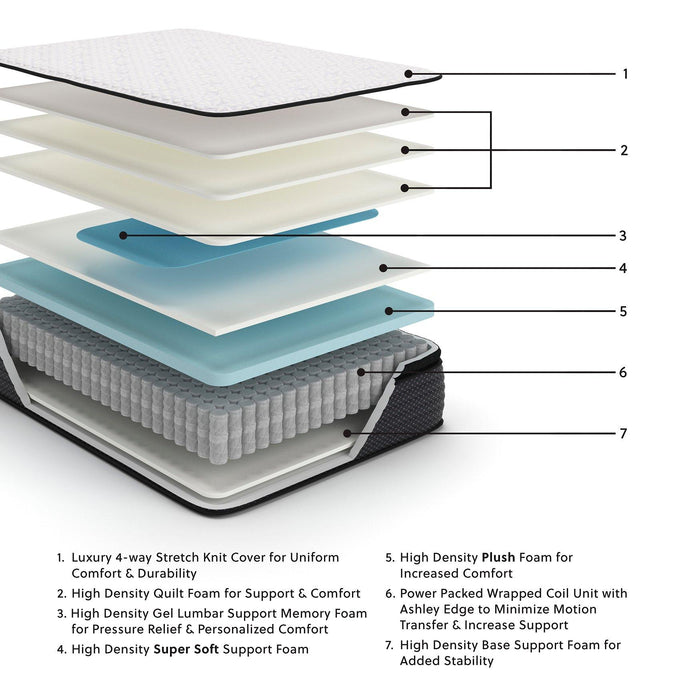
Memory foam mattresses are known for their pressure relief and contouring properties. Foam mattresses are made up of layers of different kinds of foam, most often memory or polyurethane, creating that characteristic “hug” sensation. Memory foam molds via slow viscoelastic recovery, letting the material shape precisely to your shoulders and hips before gradually releasing.
All foam mattresses and all foam models excel at motion isolation, absorbing up to 92% of movement in lab tests. This makes them a strong choice for couples and light sleepers who wake easily when a partner moves. Motion isolation is a critical factor for couples, where foam or hybrid mattresses with individually wrapped coils are beneficial.
Potential downsides include heat retention and a more “in the mattress” feel that some sleepers find restrictive. If you sleep hot, it is advisable to look for mattresses with cooling technology, such as gel-infused foam or breathable materials. Modern versions with open-cell structures or graphite infusions have improved breathability by approximately 40% compared to earlier designs. Be aware of volatile organic compounds from off-gassing during the first week, though these typically dissipate within 72 hours and meet EPA safety standards.
Higher-density foams (above 4 lbs/ft³) typically last longer and resist body impressions better than cheaper, low-density foams under 3 lbs/ft³. This is worth checking when comparing memory foam mattresses in different price ranges.
Latex Mattresses: Buoyant and Naturally Breathable
Latex mattresses use latex foam, which has a buoyant feel and tends to be more breathable than memory foam, making them suitable for a variety of sleeping positions. Rather than sinking deeply into the material, you lie more “on” the bed with a springy, responsive surface. Latex foam is derived from rubber trees and processed using either the Dunlop or the Talalay methods.
For those who sleep hot, latex is naturally breathable. Thermal imaging studies show latex sleeps approximately 20% cooler than comparable foam forward designs. The pinhole structure inherent in latex foam allows continuous airflow through which body heat can escape.
Latex mattresses can be excellent for combination sleepers and people with back pain who want both support and gentle cushioning. The near-instantaneous rebound (95% energy return) makes repositioning easy throughout the night.
The trade-offs: latex beds are typically heavier (around 120 lbs for a queen) and may cost 50% more upfront. However, Consumer Reports testing from 2015–2023 found high-quality latex retained 95% of its original height after 20,000 compression cycles versus 70% for mid-range foam, meaning latex often outlasts other mattresses by 10–20 years.
Hybrid Mattresses: Foam Comfort with Coil Support
Hybrid mattresses combine a support layer of coils with multiple comfort layers of foam or latex, offering a balance of bounce and contouring. This construction aims to blend the airflow and responsiveness of innersprings with the pressure relief of foam or latex comfort layers.
A hybrid mattress typically features 8–14 gauge pocketed coils beneath 2–4 inches of foam or latex. Pocketed coils (individually wrapped rather than connected) reduce partner disturbance by approximately 70% compared to continuous coil designs while still providing 15–20% better cooling than all-foam construction.
Hybrids are recommended for sleepers who want good edge support and easy movement but also need cushioning for joints and pressure points. Edge reinforcement in quality hybrids prevents the 40% roll-off risk that can occur with all-foam beds. They’re a versatile choice for couples with different preferences since they tend to accommodate many sleep positions effectively.
Innerspring Mattresses: Classic Feel and Strong Airflow
Innerspring mattresses are characterized by a grid of springs or coils that provide support and are often topped with a layer of padding for added comfort. These coil-based beds offer a traditional, bouncy feel with excellent airflow, approximately 70% better ventilation than dense foam.
Firmer spring mattresses can work well for stomach sleepers and some back sleepers who prefer a very supportive surface with minimal sinkage. Modern innersprings often use individually wrapped coils (rather than older Bonnell designs) to reduce motion transfer and improve contouring compared with other mattresses from decades past.
If you prefer a softer surface but like the feel of coils, consider pairing a supportive innerspring base with a high-quality mattress topper or foam topper. This lets you customize the comfort layer while maintaining the airflow and support benefits of the coil foundation.
Finding the Right Firmness Level
Firmness is different from support. A firm mattress can still be unsupportive if it sags, and softer beds can keep the spine aligned if they’re constructed properly. The key is matching firmness to your body and sleep position.
Most people gravitate toward medium to medium firm mattresses, with a 2023 YouGov poll of 5,000 sleepers showing 62% preferred the 5–7 range on the firmness scale. However, your weight and sleep position strongly affect the ideal choice. Weight affects how the firmness of a mattress feels, with lighter individuals often preferring softer options and heavier individuals requiring firmer support.
Pay attention to morning symptoms:
-
Numbness or joint pain: Often indicates a too-firm surface creating pressure points
-
Sore lower back with a “sinking” feeling: Often indicates a too-soft surface lacking support
-
Stiffness that fades within 30 minutes: May be a normal adjustment to a new mattress
When assessing firmness in a store, lying in your normal sleeping position for at least 10–15 minutes is far more revealing than pressing a hand into the surface. Testing mattresses for at least 10–15 minutes is recommended to check for pressure relief in your normal sleeping positions. That initial “new bed” plushness can fade by 20% after break-in, so focus on how your spine feels rather than first impressions.
Most online mattress brands offer extended in-home trial periods. Most online mattress retailers offer a trial period that allows customers to test the mattress in their home for an average of 176 nights, with the most common trial range being between 101 and 120 nights. Use this time to see how the mattress feels over several weeks, since both new materials and your body need a short adjustment period.
How to Choose the Correct Mattress Size
Mattress size affects comfort, partner disturbance, and your ability to stretch out fully, especially important for taller sleepers. Before picking a size mattress, consider the number of sleepers, bedroom dimensions, and whether your needs might change.
|
Size |
Dimensions |
Best For |
|---|---|---|
|
Twin |
38” × 75” |
Children, small guest rooms |
|
Twin XL |
38” × 80” |
Taller solo sleepers, college dorms |
|
Full |
54” × 75” |
Petite couples, single adults wanting extra space |
|
Queen |
60” × 80” |
Couples (30” per person), most popular choice |
|
King |
76” × 80” |
Couples wanting more space, those with pets |
|
California King |
72” × 84” |
Taller couples, room size permitting |
A larger size mattress often improves sleep for couples by reducing disturbances from partner movement. Queens represent approximately 65% of U.S. sales, providing a balance of space and room fit. King-size bed options reduce motion isolation needs by about 40% simply through additional space, 38 inches per person versus 30 inches on a queen.
Consider that thicker mattresses (12–14 inch profiles) with higher-density support cores work better for heavier sleepers who might compress standard 10-inch beds by 20–30% more than average. Also factor in that changing mattress size may require new bed frames, sheets, and mattress protectors.
Try Before You Commit: In-Store Tests and At-Home Trials
Testing a mattress, whether in physical stores or through a home trial, is one of the most reliable ways to find a genuinely good mattress for your body. Marketing descriptions and online reviews only take you so far.
For in-store testing:
-
Wear comfortable clothing you’d actually sleep in
-
Bring or request a pillow similar to what you use at home
-
Lie down in your usual sleep position for at least 10–15 minutes per bed
-
Have a partner test with you if you share a bed
-
Limit choices to 3–4 promising options to avoid decision fatigue
Most online mattresses come with generous trial windows. Use them wisely, 77.5% of mattresses tested have free return policies, while 22.5% may charge return fees ranging from $99 to $250, or do not allow returns at all. Read the fine print before purchasing.
Many mattress brands require a 30-night break-in period before allowing returns, ensuring that customers have time to adjust to the new mattress before deciding to return it. This makes sense; your body needs time to adapt, and new materials need time to fully break in. Keep a simple sleep log tracking morning pain levels and sleep quality during the trial period. Persistent pain, numbness, or poor sleep after a full month is a legitimate sign to exchange.
Budget, Durability, and When to Replace an Old Mattress
A mattress is a long-term health investment, but the best mattress doesn’t need to be the most expensive option. Quality construction matters more than brand name or marketing.
Realistic price ranges (queen size):
-
Budget (under ~$500): Basic innerspring or foam, 5–7 year lifespan
-
Midrange ($500–$1,500): Quality hybrids, 8–12 year lifespan
-
Premium ($1,500+): High-end latex or premium hybrids, 12–20 year lifespan
Durability signals to look for:
-
Foam density above 4 lbs/ft³
-
Coil count above 800 for queen size
-
Reinforced edge support construction
-
Quality stitching without premature pilling or loose threads
Regularly cleaning your mattress by vacuuming and spot cleaning with mild detergent can help maintain a healthier sleep environment and prolong its life. Rotating your mattress every three to six months helps distribute wear evenly and prevents dips or body impressions from forming in the same spot.
Clear signs your mattress needs replacing:
-
Visible sagging or impressions deeper than 1.5 inches
-
Squeaky springs or audible creaking
-
Waking with new or worsening pain that improves elsewhere
-
Consistently sleeping better in hotels or at others’ homes
-
Age approaching 7–10 years with noticeable comfort decline
Many mattress sellers and mattress companies extend 10+ year warranties. Check whether adjustable mattresses or specific mattress types you’re considering include warranty requirements for foundations or protectors.
Essential Accessories: Mattress Protector, Pillows, and Base
Accessories like a mattress protector, supportive pillows, and a sturdy base significantly improve comfort, support, and mattress lifespan. Even a high-quality mattress can feel unsupportive or wear out early without proper protection or foundation. Budget for these when buying a new bed; they complete the sleep system and influence nightly comfort.
Mattress Protector: Hygiene and Longevity
Using a mattress protector can shield your mattress from spills, sweat, allergens, and dust mites, significantly extending its lifespan. A protector acts as a barrier against moisture and allergens, helping keep your mattress clean and sanitary for years longer than unprotected beds.
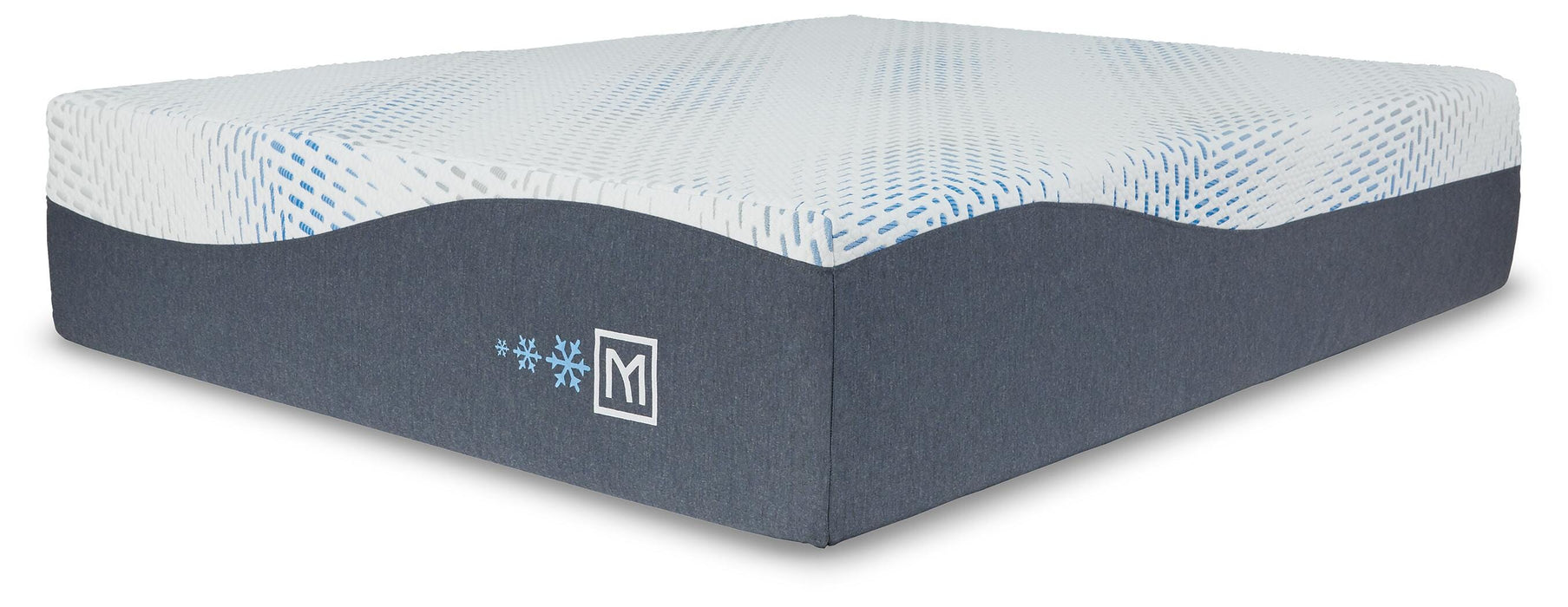
Choose a protector that’s waterproof yet breathable. Modern polyurethane membrane designs provide protection with less than 5% breathability loss. Good Housekeeping tests from 2022 found quality protectors block 99% of allergens while remaining quiet during movement.
A removable, machine-washable mattress protector can extend mattress life by 2–3 years by preventing stains and moisture damage. Some protectors add light cushioning or cooling features, but prioritize protection and hygiene as the primary functions. Most warranties don’t cover liquid damage, making this accessory non-optional for protecting your investment.
Pillows: Completing Spinal Alignment
Pillows work with the mattress to keep your neck aligned with the rest of the spine in your preferred sleeping position. The wrong pillow can undo the benefits of even the best mattress.
General pillow height guidelines:
-
Side sleepers: Higher, fuller pillows (4–6 inches loft) to fill the gap between shoulder and head
-
Back sleepers: Medium-height pillows (around 4 inches) to support the natural neck curve
-
Stomach sleepers: Flatter pillows (under 3 inches) or no pillow to minimize neck strain
Replace pillows every 1–2 years or when they go flat, cause neck pain, or no longer return to shape after folding. Test pillow height on your new mattress, since different firmness level settings change how high your head needs to be for neutral alignment.
Bed Base and Frame: Stable Support Underneath
The right base or frame keeps the mattress level, prevents sagging, and is often required to maintain warranty coverage. A wobbly or inadequate foundation can make any mattress feel less supportive and accelerate wear.
Common base options:
-
Platform beds: Solid or closely-spaced slat surfaces work well for foam and hybrid mattresses
-
Slatted frames: Require slats no more than 3 inches apart to prevent sagging
-
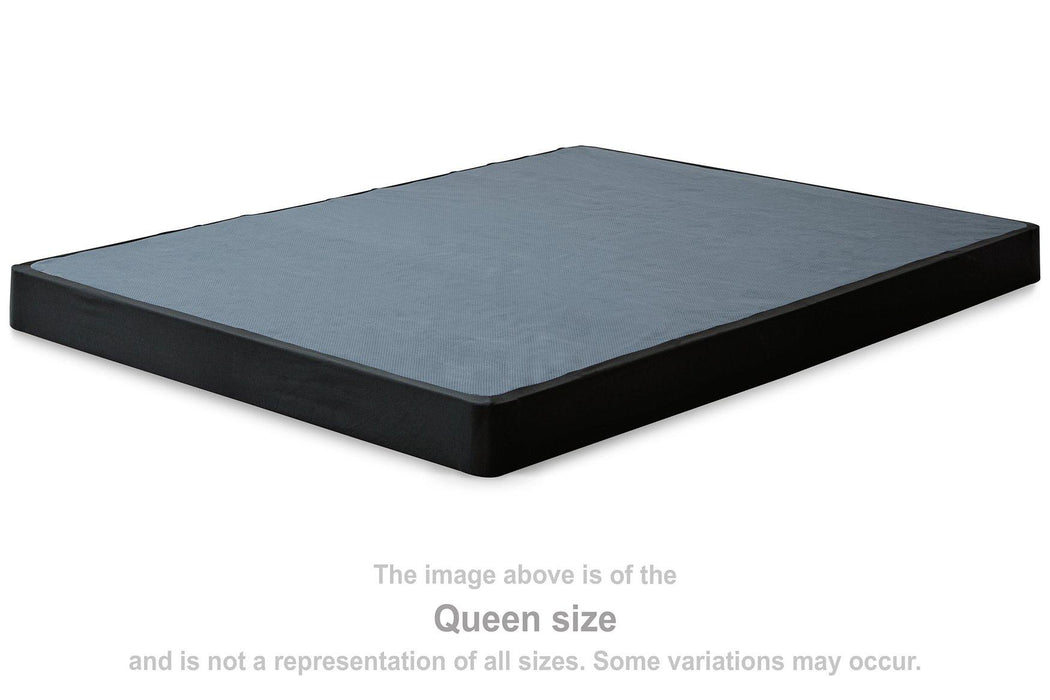
Box springs: Traditional pairing for innerspring mattresses
-
Adjustable bases: Add approximately 15% lumbar support via elevation, compatible with most modern mattresses
Check manufacturer guidelines for maximum slat spacing and center support requirements, especially for queen and king-size bed configurations. Larger sizes need center support beams to prevent sagging. Quality construction should show less than 3% sag in kings. A sturdy base also reduces motion transfer from frame wobble and helps the mattress feel more supportive overall.
FAQ: Choosing a Mattress for Better Sleep Support
These questions address practical concerns that often come up when shopping for a new mattress but aren’t fully covered in the main sections above. Answers are kept concise for quick reference.
How long should I try a new mattress before deciding if it’s right?
Give a new mattress at least 3–4 weeks before making a final judgment. Both the materials and your body need time to adjust; foam especially needs break-in time to reach its true feel. Initial discomfort doesn’t always mean the mattress is wrong, but persistent pain, numbness, or poor sleep after a full month is a legitimate sign to consider using your exchange option. Keep a simple sleep log, noting morning pain and energy levels during the trial period.
Is a firmer mattress always better for back pain?
No. While many people with back pain do well on medium-firm mattresses, an extremely firm surface isn’t automatically better and can actually create new pressure points at the hips and shoulders. The goal is a mattress that supports the natural curve of the spine while allowing enough give for your body’s contours. The 2006 Spine journal study found that medium-firm consistently outperformed firm for chronic pain sufferers. Anyone with chronic or severe pain should discuss specific options with a healthcare professional familiar with their condition.
How does my body weight affect the kind of mattress I should buy?
Heavier sleepers (over 230 lbs) often need slightly firmer and thicker mattresses with stronger support cores, high-density foam above 4 lbs/ft³ or 12–14 inch profiles with reinforced coils, to prevent excessive sinking and premature wear. Lighter sleepers (under 130 lbs) experience the same mattress as feeling firmer, so they might prefer medium soft to medium options for adequate pressure relief. Check weight guidance from manufacturers when available through online mattress listings, but ultimately trust how the bed feels and supports your body overnight.
What if my partner and I like different firmness levels?
Start with compromises: choose a medium or medium firm mattress and adjust each side with different mattress topper options or individualized pillow choices. Larger sizes like queen or king give partners more personal space, reducing the impact of different sleep positions and movements. Some couples use two separate mattresses of differing firmness placed side by side within one frame, then use shared bedding over the top. This “sleep number” approach, without the brand, lets each person customize completely while sharing the bed.
Do I really need a mattress protector for a new mattress?
Yes. A mattress protector guards against spills, sweat, and dust mites, which can otherwise stain and break down mattress materials over time. Most warranties explicitly don’t cover damage from liquids or stains, so a protector helps preserve both cleanliness and coverage. Choose a quiet, breathable protector so it doesn’t change the feel of the mattress or make noise during movement. It’s one of the least expensive accessories but provides the most protection for your investment to help you sleep comfortably for years.
Get Mattress Collection at Royal Furniture & Gift Today
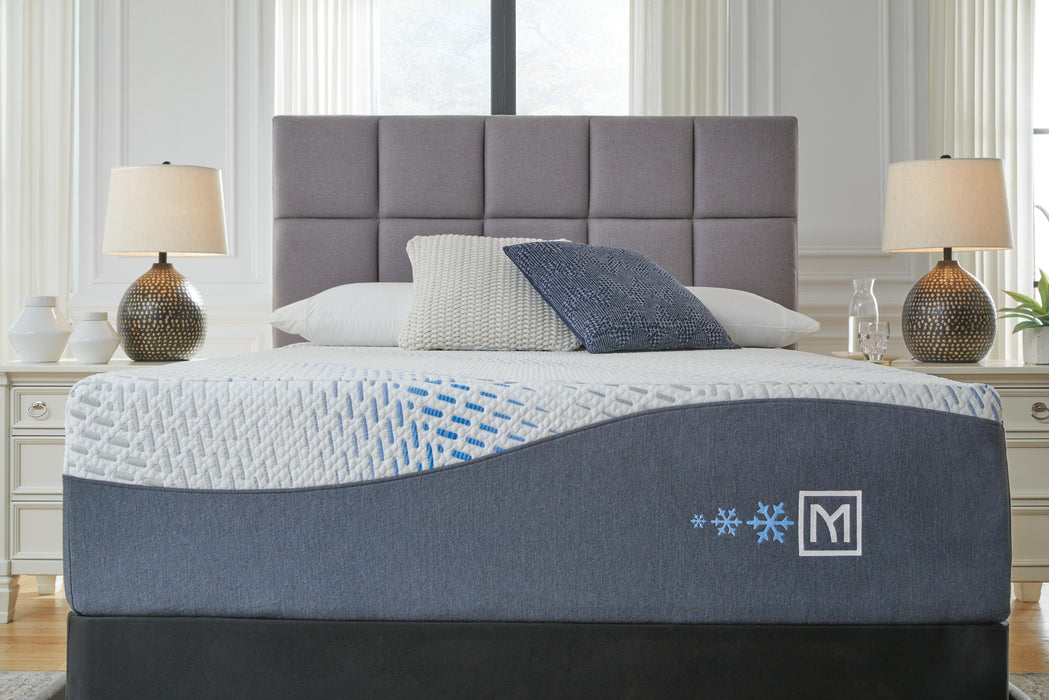
Upgrade your sleep experience with the mattress collection at Royal Furniture & Gift today and create a bedroom designed for comfort, support, and better rest every night. Whether you prefer plush comfort, firm support, or a balanced feel, the right mattress can help improve sleep quality and make your bedroom more relaxing and comfortable. With a variety of mattress options available, it is easier to find the perfect fit for your sleeping style and daily comfort needs.
Now is the perfect time to refresh your bedroom setup. Get mattress collection at Royal Furniture & Gift now and enjoy a sleep environment that supports better rest, relaxation, and everyday comfort.